email: l8nightpickwick@gmail.com
“What’s your favorite magic trick, Sidney?”
Those words could have been the tagline for the first two Scream films, both of which were written by Kevin Williamson & directed by Wes Craven. By the time Scream (1996) cut its way onto the big screen, slasher films were dead on arrival, and horror – in general – was in a bad place. It wouldn’t find a new life for another three years, when M. Night Shyamalan’s The Sixth Sense bewildered audiences – with its unpredictable ghost story of a counselor trying to reach a young boy allegedly plagued by ghosts – and The Blair Witch Project terrified audiences by asking them to altogether participate in the horror through a found footage approach to filmmaking.
Scream (1996) wasn’t just an illusion, a sleight of hand street corner performance. It was a true magic trick, bringing back to life a bit of genre filmmaking so original that it seemed to introduce slasher films to moviegoers for the first time in the world.
And Scream 2 (1998) – with all of its meta conversations about the success & failures of cinematic sequels – may actually hold the distinction of being one of the best sequels in film history (yes, alongside The Godfather Part 2 (1974) or Aliens (1986) — but not The Empire Strikes Back (1980), because that motion piction picture is part of an ongoing narrative), a knife’s throw from the original film.
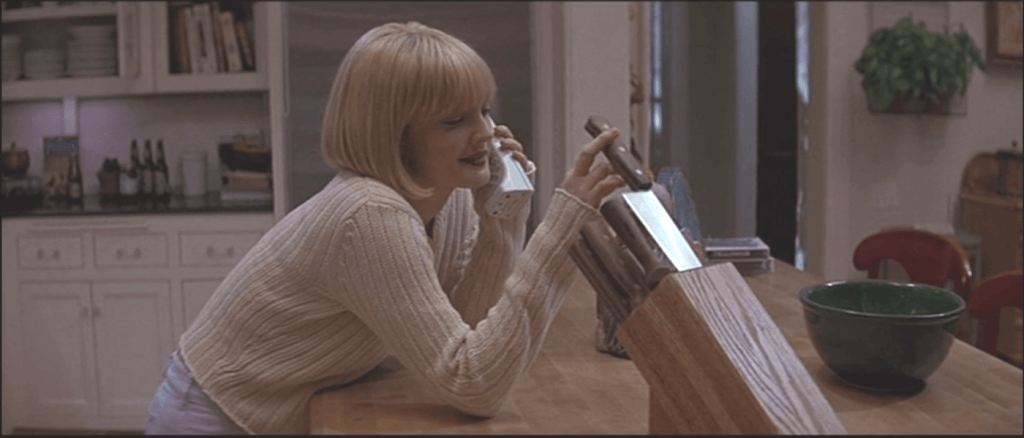
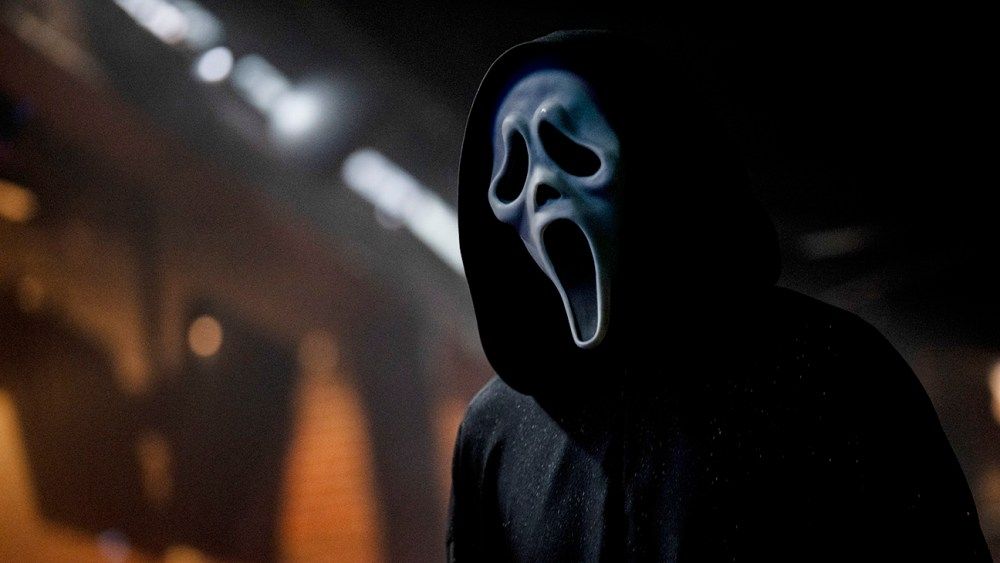
For me, my love for slasher films began with Scream (1996). Unlike children of the 70s & 80s, my introduction to the subgenre didn’t come through the images of Michael Myers, Jason Voorhees, Freddy Krueger, and more. It came through the haunting image of Ghostface. It was only on working backwards that I’d understand from whence Ghostface had come, and I can’t really articulate right now how I would have viewed slasher films differently had Ghostface been one of the last entries in my vocabulary rather than the first. I’m confident I would still see Scream (1996) as magical — perhaps more magical — as it looked to those viewers who saw it upon its theatrical release, capable of reinvigorating a subgenre that was in its death throes at that time.
But all good things must pass, even our belief in magic.
The latest entry in the franchise – Scream 7, released in theaters last month – has got me thinking about the inevitability of that loss of magic in the most famous slasher franchises. And despite their enduring entertainment value, each of the series loses me at a particular point in their storytelling.
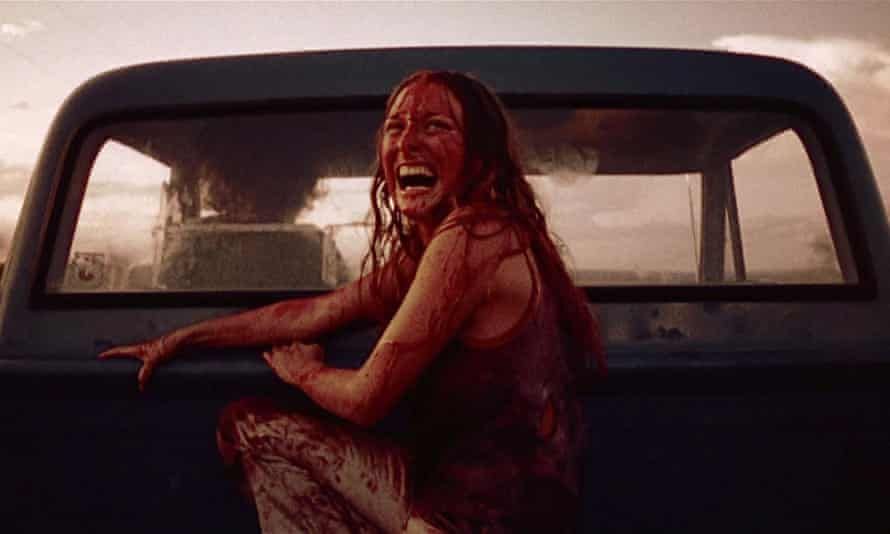
The Texas Chain Saw Massacre (1974) behaved as frantically as its central villain after the ferocity of the original film. Immediately, the series ventured into comedy with its first sequel (1986, more than a decade later), then bombed at the box office (making less than $200K, starring upstarts Matthew McConaughey & Renee Zellweger) with its fourth installment (1995), and made an effort to save Leatherface and his cannibalistic family with a prequel (2006), among other projects. Perhaps only the 2003 remake from Platinum Dunes did much to keep the franchise’s blood flowing.
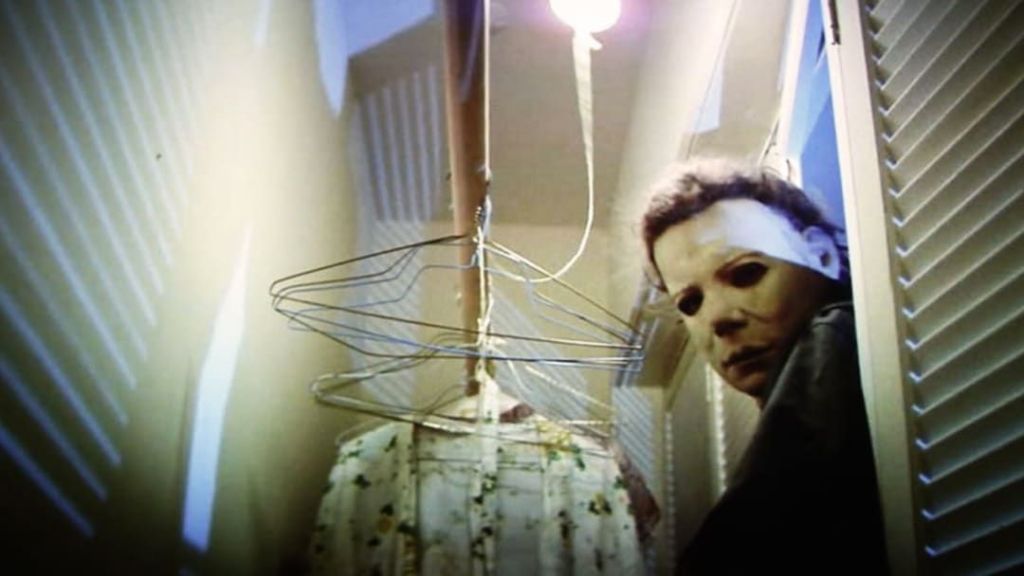
Meanwhile, Halloween (1978) lost many devotees once Season of the Witch (1982) – regarded by many as a great horror film despite its omission of Michael Myers – demonstrated that the franchise insinuated that it would transform into an anthology film series, with a new story at every entry. Fans didn’t take the bait and so continued an endless run of Michael’s killing sprees. For me, Haddonfield’s porchlights began to dim as soon as the first sequel (1981), when the inexplicable explanation was revealed that Michael was, in fact, related to Laurie Strode. Course-correct though the writers, directors, and producers would try, the candy-sweet horror of Halloween was soured almost as quickly as Michael became an unstoppable thing, not just a threat to babysitters alone.
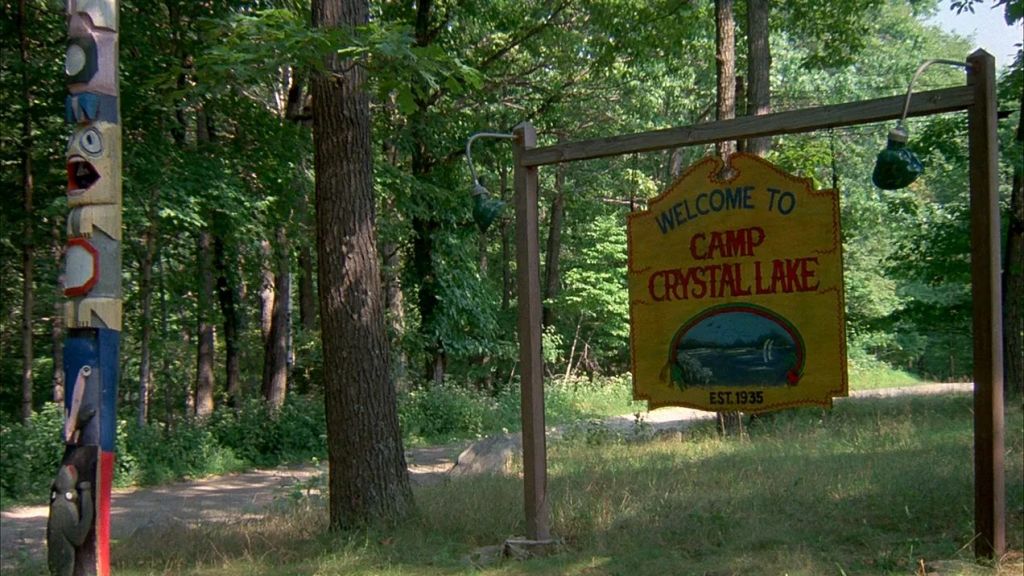
It didn’t take long to close the gates on Camp Crystal Lake after Friday the 13th (1980) either. The series – following the famous hockey mask-masked killer Jason Voorhees & his undying mission to kill errant camp counselors – concluded as soon as the third film (1982) led Jason away from the camp & metaphorically off the reservation. No longer were grass-smoking, sex-crazed, hedonistic camp counselors in danger. Over time & across more than 10 motion pictures, local gas station proprietors, rebellious biker gangs, NYC residents, and more would know the terror of Jason.
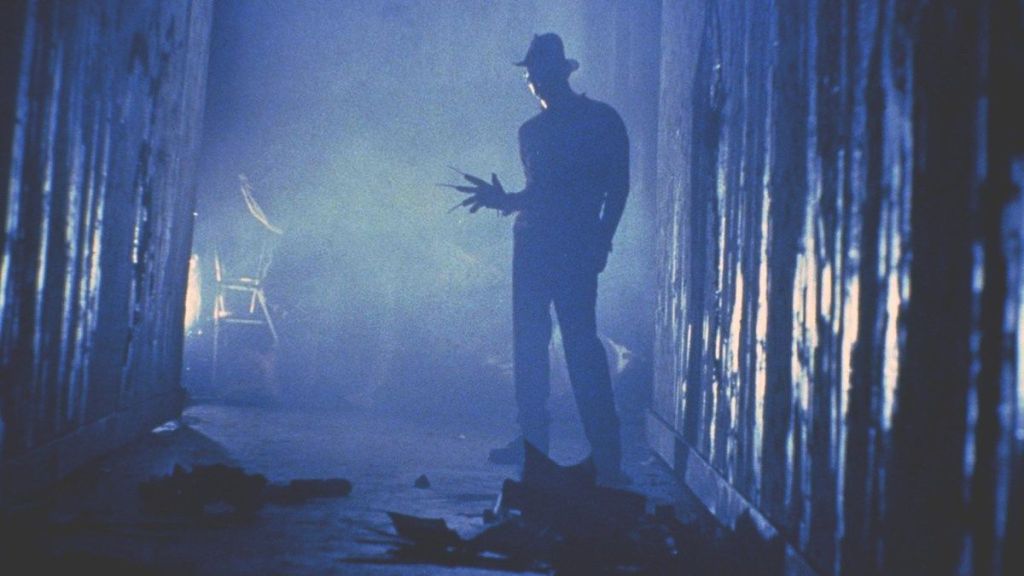
And even the nocturnal exploits of Freddy Krueger would become a bad dream for fans. A Nightmare on Elm Street (1984) promised from the outset to be a new breed of slasher, blending the razor-sharp gore of other franchises with the supernatural sensibility that is nightmarishly Freddy. But after a sexually-confused sequel (1985) and a rather successful return to greatness joined by the original film’s heroine (1987), the sinister nature of the series was softened with campy, fourth wall-breaking humor that fans found more funny than frightening.
Yet despite this commonplace law of diminishing returns in horror, it took the Scream franchise until its seventh installment to ultimately follow suit, passing a point of no return that signaled Ghostface’s best days were behind him.
Or both of him.
Or her.
Or them.
Whatever.
Because there’s almost always more than one killer.
WARNING *** SPOILERS AHEAD
In Scream 7, the audience discovers Sidney (Neve Campbell) living a peaceful life far from Woodsboro, the site of her first attack at the hands of Ghostface. She’s married to the local sheriff (Joel McHale) and has a daughter (Isabel May) named Tatum, in remembrance of her best friend killed in the original film. Sidney is the proprietor of a local coffeehouse, and her greatest danger for the moment is keeping Tatum’s boyfriend from sneaking in through the bedroom window. Her small town joy remains miles away from the widescreen horror that once haunted her. But this peace would be interrupted by a Facetime call from the allegedly not dead Stu Macher (Matthew Lillard), one of the two killers who paraded as Ghostface back in Woodsboro.
After a total of six infinitely entertaining motion pictures, I anticipated a similar joy, akin to those of the previous six Scream films. But as absent from Woodsboro is in this film, so too was gone many of the ingredients that made the original motion pictures so memorable.
Throughout the series, there have been very specific rules behind the slaughter & the films in which they take place. One such rule is that there’s generally more than one killer (save for the third movie in the Scream series). Another rule is that the killer is close to the protagonist — in this case, Sidney). There are a number of rules at play in these films, many of which Scream 7 ignores. Mostly missing from the film (besides Gale Weathers, who all but disappears for the third act of the film after doing little more than exploiting Sidney’s horrific past on live television) is the mystery-laden sense of adventure that’s become so synonymous with the franchise. Gone is the Whodunnit fun & tension of the previous films. There are seemingly no bread crumbs sprinkled along the way that will allow the audience to unmask the killer before the film’s conclusion, and this participatory history of Scream films is what makes the franchise so charming, so compelling.
There is no mystery to a Freddy, Jason, Leatherface, or Michael killing spree.
And there needn’t be.
But Scream fans have come to rely on the meta interplay that keeps them guessing as to Ghostface’s true identity — err, identities — always revealed in the final moments of the motion picture.
Because in Scream 7, there is not one – not two – but three killers who terrorize the film’s victims. Yet with this bevy of culprits, there remains limited or unbelievable explanation as to their motives. The mainstay red herring characters who possess the potential to don the Ghostface mask are never exposed as the maniacal mastermind behind the movie’s murders. The true killers, in fact, aren’t allowed enough screentime to be considered red herrings at all. One killer only survives long enough to be defeated by our heroes, and the remaining two are side characters alone, each appearing once or twice in the film before their dramatic unmasking in the final act.
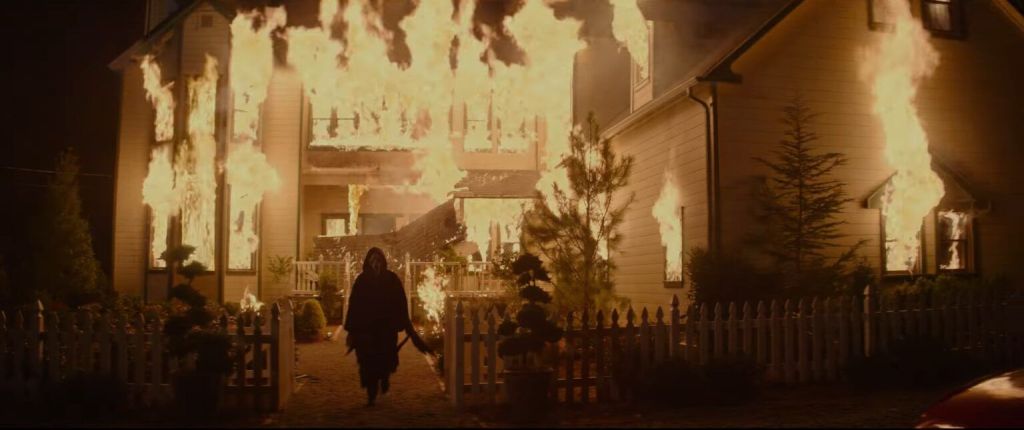
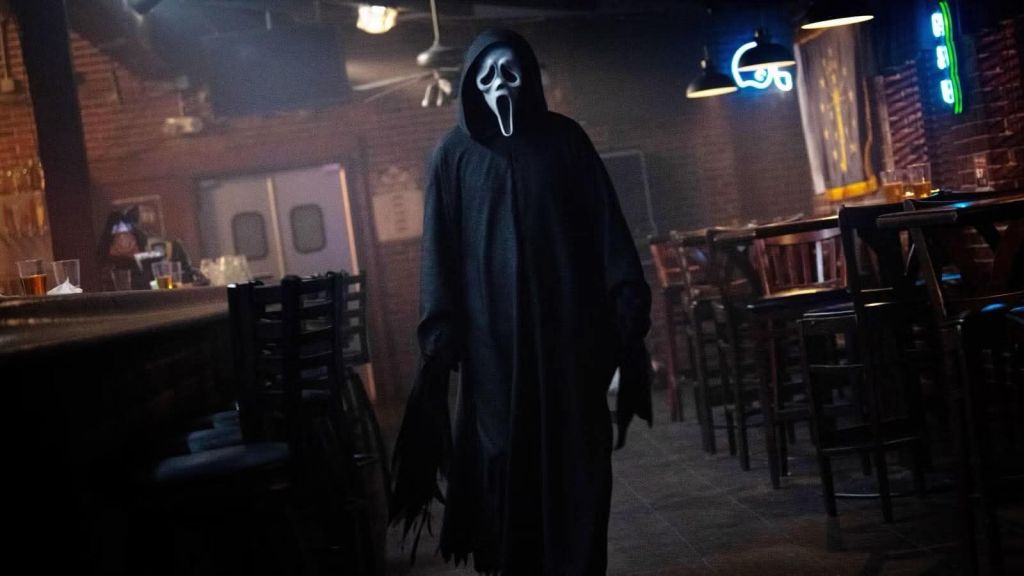
Unfortunately, what also isn’t missing in Scream 7 are the numerous plot holes and an unnecessary dependence on gore throughout the movie: the most egregious in the series’ history. In previous films with multiple killers, one could generally suss out – in the end – which of the killers performed each murder. With two of the killers remarkably different in stature, the “single killer” seems an impossibility; Ghostface is never shorter in one scene and then taller in another — which should be entirely necessary if the two killers are remarkably different in size. (And could someone explain to us which of the three killers participated in the cold open killing, torching Stu Macher’s home to the ground? And how did Ghostface access the electronically-locked coffeehouse — an understanding of information technology?) But worse, writer-director Kevin Williamson apparently hoped to earn forgiveness by including kills that went far beyond any Ghostface kill that audiences have seen before. The vicious speed of Ghostface in Scream (2022, and from here on out referred to as Scream 5), for example, was terrifying enough on its own. But the kills in this film surpass some of the lampoonery of slaughter conducted by Jason Voorhees himself, creating an atmosphere altogether foreign to what the audience anticipated, of what they have come to expect from this franchise. The drama theater death scene & the beer tap death scene may have been visually creative, but they completely pull this Scream film away from the murderous simplicity that has served as the franchise’s foundation.
And yet some – perhaps many – contend that Scream 7 isn’t the first film in the series to derail in its execution. I wouldn’t have been surprised – in outlining this essay – that fans had abandoned the series as far back as Scream 3.
And then today happened.
I was speaking to an acquaintance about our individual plans for the weekend, and he shared that he intended to care for the local golf course as its groundskeeper, eating a frozen pizza for dinner later.
“I’m working on an essay about Scream 7,” I said.
“Seven?” he asked. “I didn’t realize they were still making those. I stopped watching after Scream 3.”
And that was that — and it made perfect sense to me.
After two incredibly successful — and critically-acclaimed – films, Scream 3 finds Sidney living relatively off-the-grid, secluded in a high-security rural home where she is safe from another attack by the next Ghostface – or Ghostfaces – working as a telephone counselor for abused women. But while the gears of Hollywood prepare to churn out a third Stab film – the series of which is based on the Ghostface attacks in both Woodsboro & at Windsor College – survivor turned TV talk show Cotton Weary (Liev Schreiber) is brutally murdered by a new Ghostface. In response, our resident heroes (Campbell, David Arquette, and Courteney Cox) comb the studio backlot in order to unmask the killer before he slaughters the entire cast of Stab 3.
For now, disregard some of the structural & stylistic deficiencies of Scream 3, any one of which I imagine could be subjectively prescribed to any film in the franchise – if not before then certainly after:
“The film is too self-aware for its own good.”
“Some of the dialogue is a bit forced, even wooden.”
“The supporting characters aren’t characters. They’re caricatures.”
“How many times will Dewey & Gail break up between movies, only to reunite before the end of the next film?”
“What are Jay & Silent Bob doing in this movie?”
And Scream 3 is furthermore convoluted with narratives of motion picture studio corruption, police procedural missteps, and more. But when I first saw the film, I understood immediately why much of the audience ultimately didn’t like it.
I liken the audience’s response to Scream 3 to that of the award-winning HBO gangster series The Sopranos (1999-2007), to that of the neo-Western crime thriller No Country for Old Men (2007), and to that of the fourth installment in the box office-breaking adventure film series Indiana Jones and the Kingdom of the Crystal Skull (2008) — if, certainly, on a lesser scale. (There isn’t, after all, a lot of online discourse about Scream 3.) But this television series and two films all concluded with what could be characterized as a controversial finale, a bridge too far for fans who had remained faithful to it. The audience either bought in & “got it” (whether they actually did or not), or resisted the ending as lazy, nonsensical, or completely out of character with the project. Or, finally – and perhaps more likely – simply not what the audience anticipated.
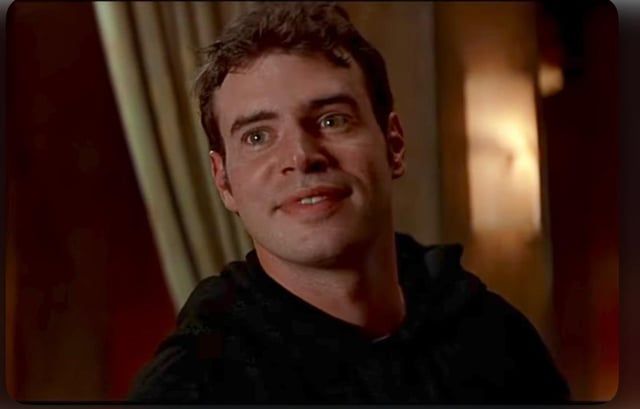
Scream 3 would fall in line with these divisive cinematic projects as it reveals that Stab 3 film director Roman Bridger (Scott Foley) is actually Sidney’s half-brother, the result of the sexual assault that Sidney’s mother faced as a would-be Hollywood star, before she settled down in Woodsboro. It would become the first straw that would break the camel’s back: “Sidney has a long-lost sibling.” Certainly, fans saw it as a cheat, as a cop-out, the easiest way to write themselves out of a corner by writing a new villain into the franchise, if only for a single movie.
Spoiler alert: Roman dies at the end of the film.
After that, Scream 4 (2011) would be forced to find a new entry point into the already fragile life of Sidney Prescott.
But — more than this — what Scream 3 did was in perfect keeping with director Wes Craven’s vision up to that point: not only commenting on the nature of horror films & their sequels but also commenting on the nature of sequels, in general, even outside the world of Woodsboro or Haddonfield or Elm Street.
Scream (1996) was a splendid homage to Hitchcock’s Psycho (1960), in which a fractured young man commits murder under the guise of his mother. Billy Loomis (Skeet Ulrich), with the help of Stu Macher, asserts that he was exacting his vengeance upon Sidney because her mother had an affair with his father, leading to his own mother leaving town abruptly, abandoning Billy forever. Scream 2, meanwhile, reverses the motive. Once again, there are two killers, but now Mrs. Loomis (Laurie Metcalf) – aided by film nerd Mickey (Timothy Olyphant) – now exercises her revenge on Sidney for the murder of her son Billy.
It sounds like it’s getting complicated, but it’s not. Scream 2 is simply a play on the original Friday the 13th film, in which Mrs. Voorhees is the original killer of camp counselors at Camp Crystal Lake, exacting her vengeance due to the negligence of past counselors that led to her son Jason’s death.
Spoiler alert: Jason never drowned.
And yet, there were more than 10 films featuring Jason as the masked killer. Now, it’s getting complicated.
By the time audiences saw Scream 3, perhaps they were so comfortable in the series’ use of tropes that they somehow forgot that Wes Craven & others were still using them. A son kills for his mother. A mother kills for her son.
“The protagonist has a long-lost sibling? Revealed in the third installment of the trilogy?”
Science fiction fans accepted a similar revelation in Return of the Jedi (1983) almost 20 years earlier, and Scream filmmakers quietly asked its fans to accept the revelation once more.
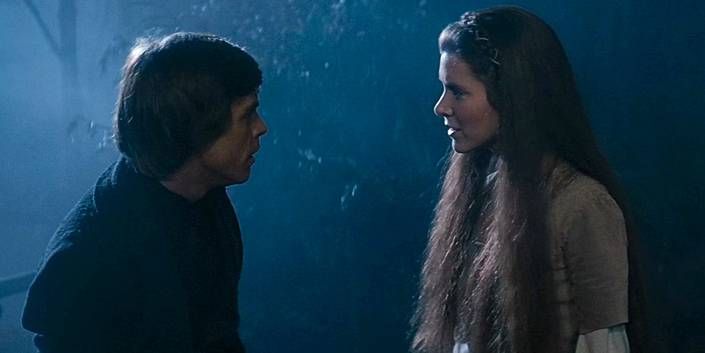
Those fans who embraced the idea that Luke & Leia were brother & sister are the same fans who can embrace the idea that Sidney & Roman are only separated by a thin wall of sexual assault in the shadowy corridors of Hollywood.
And be that as it may, with all of the misgivings that Scream 3 brings with it & with all the misgivings that Scream 7 brings with it, the mystery of Roman’s unmasking in the third motion picture demands some clemency. It had been established in 1981, when Laurie Strode was similarly unmasked as Michael Myers’ sibling, that a trope was in play for Wes Craven.
The Scream franchise was once about three things: the inherent rules of a horror film, the legacy of family, and the wonder that a rejuvenated horror franchise could bring to the big screen.
And perhaps that’s the point, as momentarily espoused by Richie Kirsch (Jack Quaid), one of the two killers in Scream 5 …
… With time, the films are meant to go off the rails.
Perhaps that’s the future of this franchise, where writer-director Kevin Williamson intends it to go — and I’m suspect that longtime fans will go for it — and I’m certainly leaving Woodsboro if Scream 7 is a sign of things to come. If the series becomes a meta demonstration that slasher films will, over time — like Friday & Halloween & Nightmare — become more & more unhinged from the gameplay that Scream (1996) once preached, I’d rather not stay here for long, any more than Sidney would. Even Freddy, Jason, Leatherface, and Michael never promised their audiences that it would all inevitably burn to the ground, like the home of Stu Macher.
Unfortunately, Scream 7 demonstrates that there are no rules now, that the franchise no longer loves the fans that it once embraced in the beginning, that the film itself simply doesn’t feel like a member of the Scream family, divorced as it is from the magic of all that’s come before it.
Poof.
***
Scream (1996), Scream 2 (1997), Scream 3 (2000), Scream 4 (2011), and Scream 5 (2022) are streaming on Paramount Plus. Scream 7 (2026) is currently playing in theaters nationwide.
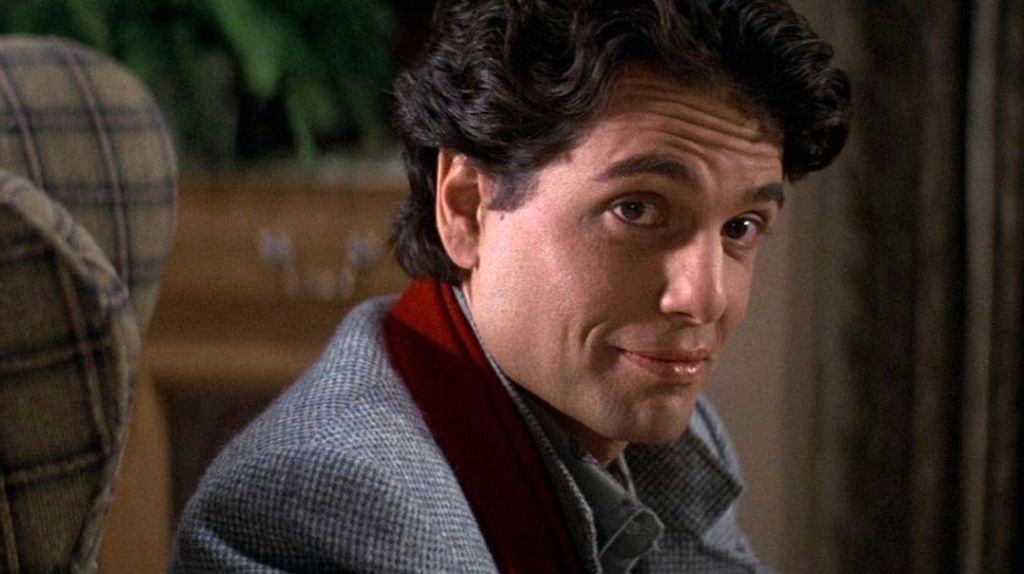
Chris Kaine is the most amateur film essayist whom you may ever imagine. He earnestly contends that he was named after the actor Chris Sarandon, because he was either conceived while his parents watched Fright Night (1985) in his paternal grandparents’ basement, or because of their love for The Princess Bride (1987), which stars a character by the name of “Humperdink,” which is pretty funny, if you think about it.
 Late-Night at the Pickwick Drive-In
Leave a comment